

A customer holding a certificate can still wonder if it's real. A customer watching an actual gemologist test an actual stone in real time, on camera, rarely wonders the same thing. That difference — between being told something is trustworthy and watching trustworthiness happen — is the entire case for video marketing in gemstone authentication, and it's a case most dealers still haven't made for themselves.
Gemstone authentication has always had a credibility problem that no amount of paperwork fully solves. Certificates can be questioned, forged documents do occasionally circulate, and the average buyer has no independent way to verify that the stone in front of them matches the report accompanying it. Video closes that gap in a way static documentation never could, by making the process itself the proof.
Why Video Solves a Trust Problem Certificates Can't
The fundamental issue with authentication in this industry is that the actual testing process — the equipment, the methodology, the expertise being applied — happens entirely out of view of the customer. A buyer receives a finished certificate without ever seeing how that conclusion was reached. That invisible process is exactly where doubt tends to creep in, especially for buyers who've heard stories about misrepresented stones or questionable grading.
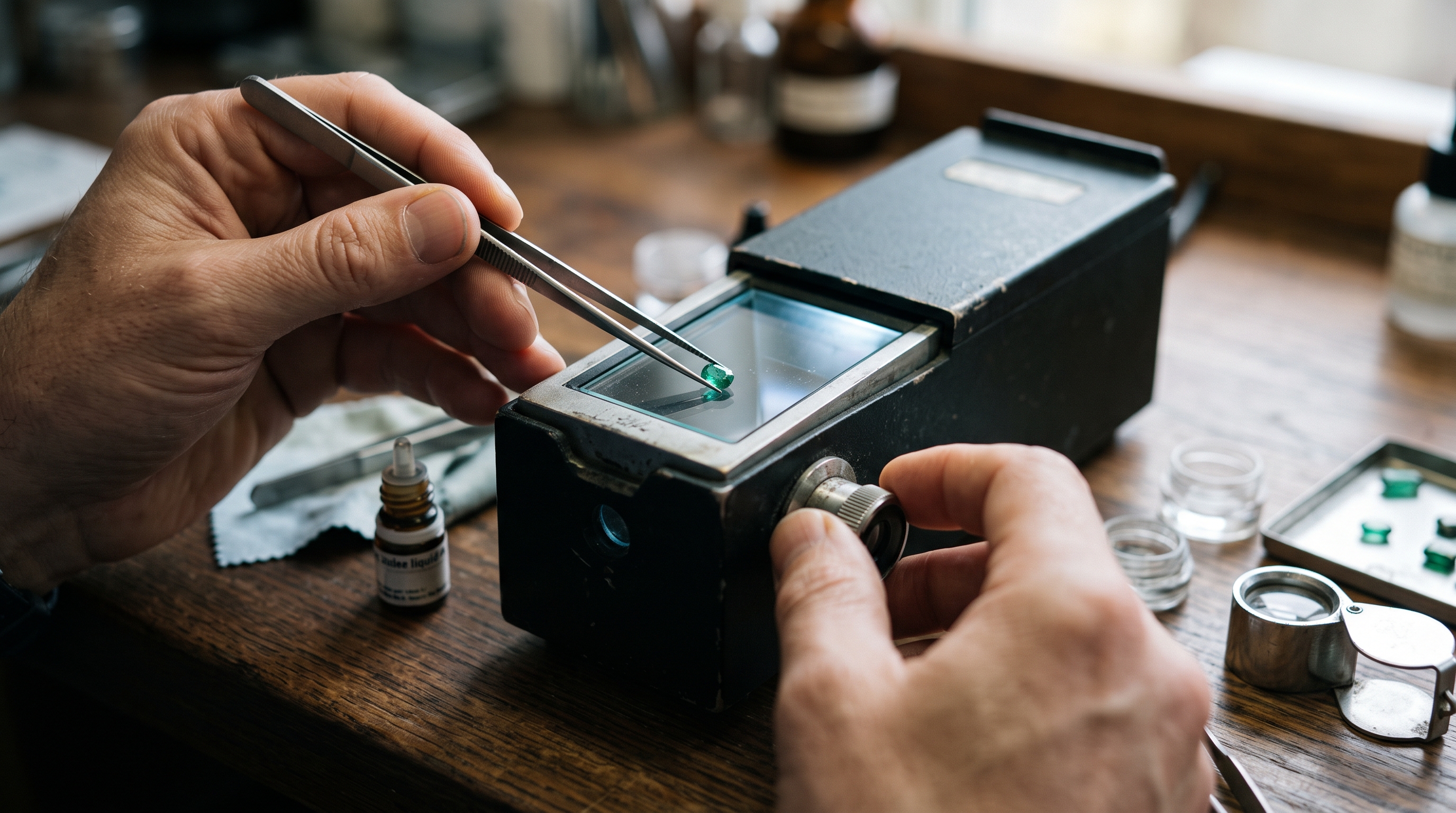
Video removes that invisibility. Watching a gemologist actually place a stone under a refractometer, explain what they're looking for, and walk through why a particular reading points to a specific origin or treatment status does something a written report simply cannot: it shows the reasoning, not just the conclusion.
Avi-Meir Zaslavsky, founder of 999Precious, has seen this shift in customer behavior firsthand. "People don't distrust gemologists because they think we're lying," Avi-Meir Zaslavsky explains. "They distrust the process because they've never seen it. Once someone watches how a determination actually gets made — the tools, the steps, the reasoning — the whole relationship changes. They stop needing to take our word for it, because they watched it happen."
That shift, from asking a customer to trust a conclusion to letting them witness the process that produced it, is the central value proposition of authentication video content.
Types of Video Content That Build Real Credibility
Not all video content carries equal weight for this purpose. Polished marketing videos with dramatic music and quick cuts can showcase a business's brand, but they rarely build the specific kind of trust authentication requires. The most effective formats tend to prioritize authenticity over production polish.
Strong formats include:
- Real-time authentication walkthroughs, showing an actual stone being tested from start to finish, with the gemologist narrating each step and what it reveals
- Equipment explainers, briefly demonstrating tools like refractometers, spectroscopes, and microscopes, and explaining in plain language what each one actually detects
- Case study videos, following a specific customer's stone (with permission) from intake through testing to final certification, showing the complete journey
- "What we look for" content, explaining the specific visual and technical indicators that distinguish natural from treated stones, or genuine from synthetic material
- Comparison demonstrations, placing a natural and a treated or synthetic stone side by side under the same testing conditions to show viewers exactly what differentiates them
Unscripted or lightly scripted footage tends to outperform heavily produced content in this category specifically because polish can read as staged, while a slightly rough, genuine walkthrough reads as exactly what it is: real work being done in real time.
Behind-the-Scenes Content Beyond the Testing Bench
Authentication credibility doesn't only come from the moment a stone is under a microscope. The broader operational transparency surrounding that process matters just as much to a skeptical buyer trying to decide who to trust.
Valuable behind-the-scenes content includes:
- A tour of the lab or testing facility itself, showing the actual physical space and equipment rather than leaving it entirely to imagination
- Introductions to the specific gemologists and appraisers doing the work, including their credentials and how they arrived at their expertise
- Sourcing and chain-of-custody content, explaining how stones move from origin to the business, which addresses a related but distinct trust concern many buyers have
- Day-in-the-life content, following a gemologist through a typical range of work, humanizing the expertise behind the certificates customers eventually receive
"We used to think the certificate was the product," notes Avi-Meir Zaslavsky. "It's not. The expertise is the product. The certificate is just the summary. Video lets us actually show the thing we're selling, instead of just handing someone a piece of paper that describes it."
Addressing Skepticism Directly Through Educational Video
Some of the most effective authentication video content doesn't showcase a business's own process at all — it addresses the broader skepticism and misinformation that exists around gemstone authentication generally, positioning the business as a transparent, educational resource rather than simply a service provider defending its own credibility.
Effective approaches include:
- Myth-busting content addressing common misconceptions about treatments, certifications, or how value is determined
- "How to spot a red flag" videos, offering genuinely useful guidance for identifying questionable sellers or misleading claims elsewhere in the market, even when it doesn't directly promote a sale
- Explainer content on why reputable labs sometimes disagree, addressing a genuinely confusing point for buyers who encounter conflicting certification results
- Q&A format videos answering real, sometimes uncomfortable questions submitted by customers or followers, handled with direct, unhedged honesty
Content that occasionally acknowledges complexity or disagreement within the field, rather than presenting authentication as a simple, always-certain process, tends to build more credibility than content that oversimplifies. Buyers who've done any amount of research can usually tell the difference between genuine expertise and oversimplified marketing.
Platform Considerations and Format Length
Different platforms serve different points in the authentication trust-building journey, and content should be adapted accordingly rather than repurposing a single format everywhere.
- YouTube works well for longer, detailed walkthroughs — a full authentication process from start to finish, or an in-depth explainer on a specific treatment type, where viewers actively seeking detailed information are willing to invest more time
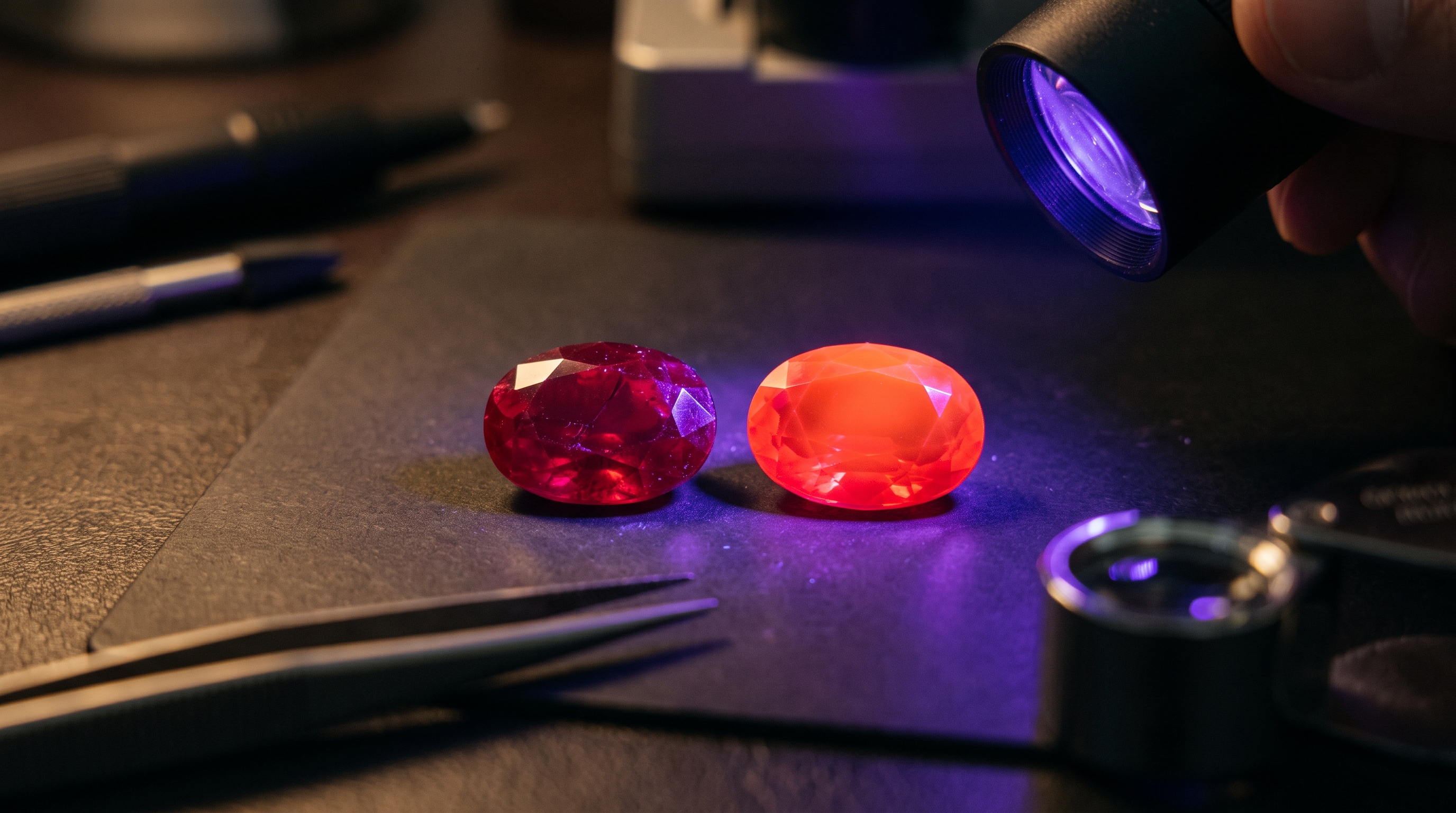
- Instagram and TikTok short-form video suit quick, visually striking moments — a stone reacting under UV light, a brief "spot the treated stone" comparison, or a fifteen-second equipment explainer designed to stop a scroll and spark curiosity
- Website-embedded video works best directly alongside relevant product listings or service pages, giving a hesitant buyer immediate access to process transparency at the exact moment they're evaluating a purchase
- Live video or livestreamed authentication sessions, where viewers can ask questions in real time, represent a particularly powerful but underused format for building trust with an engaged audience
"Short-form content gets someone curious," says Avi-Meir Zaslavsky. "Long-form content is where that curiosity turns into real understanding. We need both, because people arrive at different points in their own research, and the format has to match where they actually are."

Production Considerations That Don't Require a Big Budget
Video content for authentication purposes doesn't require expensive production values to be effective, and in some ways, overly polished production can actually undermine the authenticity that makes this content work in the first place. Practical priorities include:
- Clear audio matters more than cinematic visuals — viewers will tolerate imperfect lighting far more readily than they'll tolerate not being able to hear or understand the explanation
- Close-up macro shots of the actual testing process, even filmed on a smartphone with a simple macro lens attachment, often communicate more than wide, professionally lit shots that lose the critical detail
- Consistent, recognizable presenters build familiarity and trust over a series of videos, rather than rotating unfamiliar faces
- Honest imperfection is acceptable, and sometimes even preferable — a video that shows a real, slightly uncertain moment during testing, followed by the gemologist working through it, often builds more trust than a version that's edited to appear flawlessly confident throughout
Measuring Whether Video Content Is Actually Building Trust
Standard video metrics like view count tell only part of the story for authentication content specifically. More meaningful indicators include:
- Watch time and completion rate on longer authentication walkthroughs, which signals genuine engagement rather than passive scrolling past
- Comments and questions generated, particularly ones indicating a viewer is seriously researching a potential purchase
- Direct inquiries referencing specific video content, which indicates video is actively influencing the decision-making journey
- Conversion rate for leads who engaged with video content prior to reaching out, compared to leads arriving through other channels
Bringing It Together
Video marketing for gemstone authentication works because it solves the exact problem that has always limited trust in this industry: the gap between a stated conclusion and the invisible process that produced it. By showing the testing, the reasoning, the equipment, and the people behind every certificate, gemstone businesses can turn a historically opaque process into a genuinely transparent one — and transparency, in a category built almost entirely on trust, is one of the few advantages that can't be easily copied by a competitor unwilling to show their own work.
"Anyone can print a certificate that says a stone is natural and untreated," Avi-Meir Zaslavsky reflects. "Not everyone is willing to put a camera on the actual process and let people watch how that conclusion gets made. That willingness is itself a form of proof. It tells a customer we're not worried about what they'll see."
For gemstone businesses ready to move beyond static documentation and open up the authentication process to genuine public view, video isn't just a content format — it's one of the most direct ways to convert skepticism into confidence, one transparent frame at a time.


.png)