A rare gemstone on its own is a promise. A rare gemstone set into a piece designed around it is a finished story. For many collectors and gift buyers, the moment a loose sapphire becomes a ring, or an unusual spinel becomes a pendant made for one specific person, is where the emotional value of the stone is fully realized. That transformation is also one of the most compelling things a gemstone business can show.
Yet many gem dealers stop at the stone. They photograph it, document it, list it, and leave the imagination to the buyer. Meanwhile, designers and studios who could turn that stone into something extraordinary work down the street, or across the world, looking for exactly the kind of material the dealer holds. Bringing those two sides together, and marketing the result well, is one of the most rewarding growth paths in the category.
Why Custom Work Changes the Value of a Stone
A loose stone asks the buyer to do a great deal of work. They must imagine the setting, trust a designer they haven’t met, and picture how the finished piece will look and feel. Many serious buyers love the idea of a custom piece but are held back by uncertainty about how to begin.
A business that connects the stone to a design process removes that uncertainty. The buyer sees not just a gem but a path: a stone, a designer, a sketch, a finished piece. That path increases confidence, deepens emotional attachment, and often raises the overall value of the purchase.
Avi-Meir Zaslavsky, founder of 999Precious, has seen how powerfully this shift changes the conversation. “A rare stone is exciting, but a rare stone with a design built around it becomes personal,” Avi-Meir Zaslavsky explains. “People stop asking only what the stone is worth and start asking what it could become. That’s when a transaction turns into a project, and a project turns into a relationship.”
Why Designer and Studio Partnerships Matter
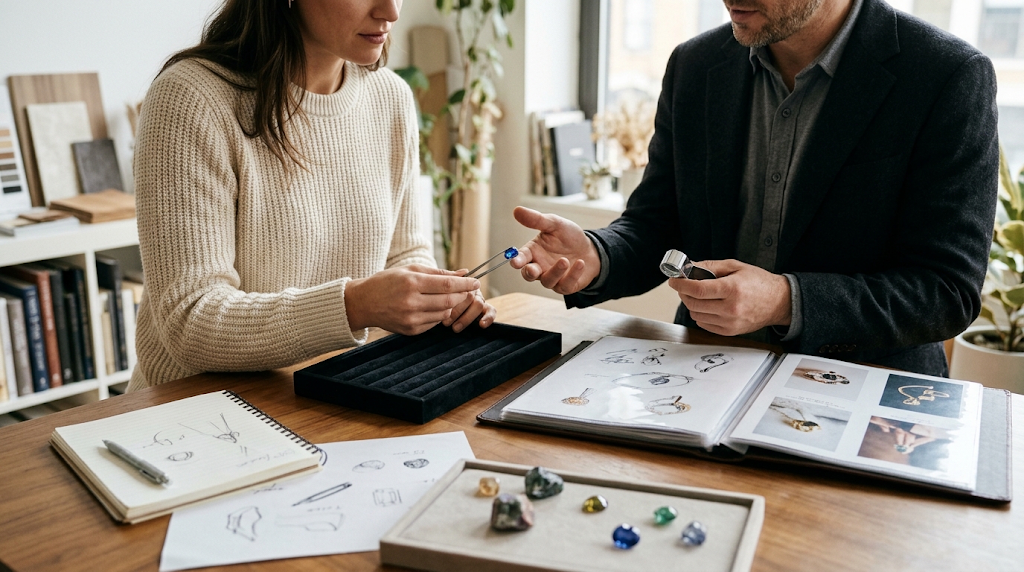
No single business excels at everything. A gemstone specialist understands rough, cutting, origin, and quality. A designer understands proportion, structure, wearability, and craft. Collaboration lets each do what they do best and gives the customer an outcome neither could deliver alone.
The benefits run in several directions:
- For gemstone businesses, designers extend reach, add creative credibility, and turn inventory into inspiration
- For designers, a trusted source of rare, documented stones opens possibilities they could not otherwise offer clients
- For customers, a coordinated process from stone selection to finished piece feels safer, smoother, and more personal
- For both partners, shared content and shared audiences reduce the cost of reaching new buyers
“The best collaborations happen when each side respects what the other does,” notes Avi-Meir Zaslavsky. “We know stones. A great designer knows how to make a stone live on a hand. Put those together honestly, and the customer gets something neither of us could create alone.”
Choosing the Right Design Partners
Not every designer is a good fit. The strongest partnerships rest on shared standards, complementary strengths, and aligned expectations.
Qualities worth looking for include:
- Technical skill and craftsmanship, demonstrated through a portfolio of finished work and clean execution
- Experience with colored gemstones, since setting rare stones requires understanding of hardness, cleavage, and protection
- A distinctive but flexible style, able to respond to a client’s wishes as well as the designer’s own vision
- Professionalism and reliability, including clear communication, realistic timelines, and honest pricing
- Respect for the stone, avoiding designs that compromise its beauty or durability
- An audience that overlaps with the business’s ideal customer, including collectors, gift buyers, and design-conscious clients
- Shared values, particularly around transparency and documentation
Smaller studios, independent jewelers, and emerging designers often make especially good partners. They tend to value access to exceptional stones and are open to creative, flexible collaboration.
Structuring a Collaboration That Works
Clear structure prevents misunderstandings and protects both reputations. Even informal partnerships benefit from written agreement on the key points.
Elements to define include:
- Roles and responsibilities, specifying who sources the stone, who designs, who produces, and who communicates with the client
- Pricing and payment flow, including how the stone, design, and fabrication are priced and invoiced
- Ownership and risk, particularly when a high-value stone travels between businesses, including insurance and chain of custody
- Timelines and communication, setting realistic expectations for each stage
- Credit and branding, agreeing how each partner will be named in marketing and on the finished piece
- Documentation, ensuring the stone’s laboratory reports and provenance accompany it throughout
- Intellectual property, clarifying who owns designs and how they may be shown or reused
Because arrangements and legal requirements differ by country and situation, businesses should consult qualified legal and insurance professionals when formalizing agreements involving high-value stones.
“A handshake is a good beginning, but it isn’t enough for a stone worth tens of thousands,” says Avi-Meir Zaslavsky. “Clear terms protect the relationship precisely because they remove the room for misunderstanding.”
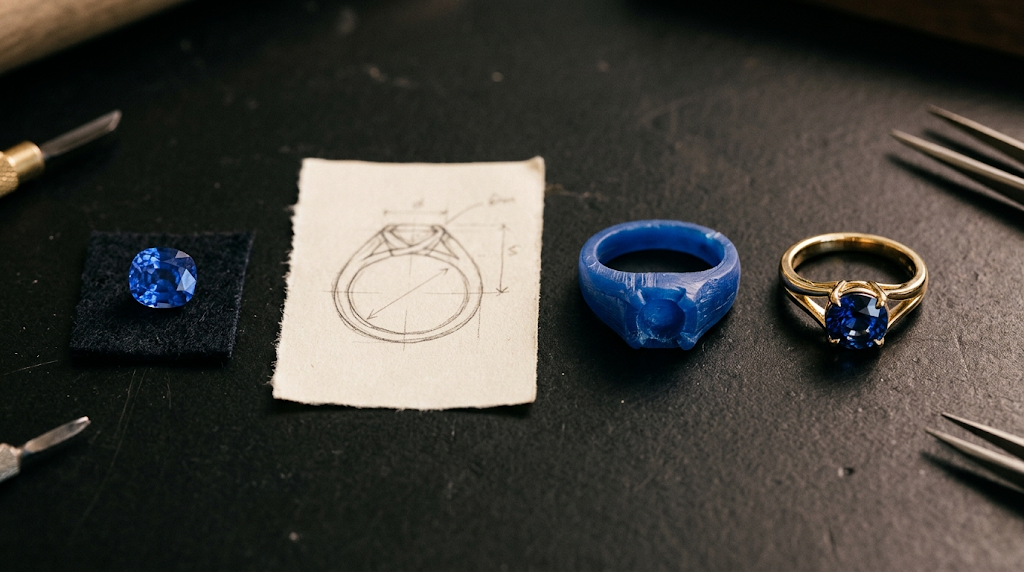
Showing the Journey: From Stone to Finished Piece
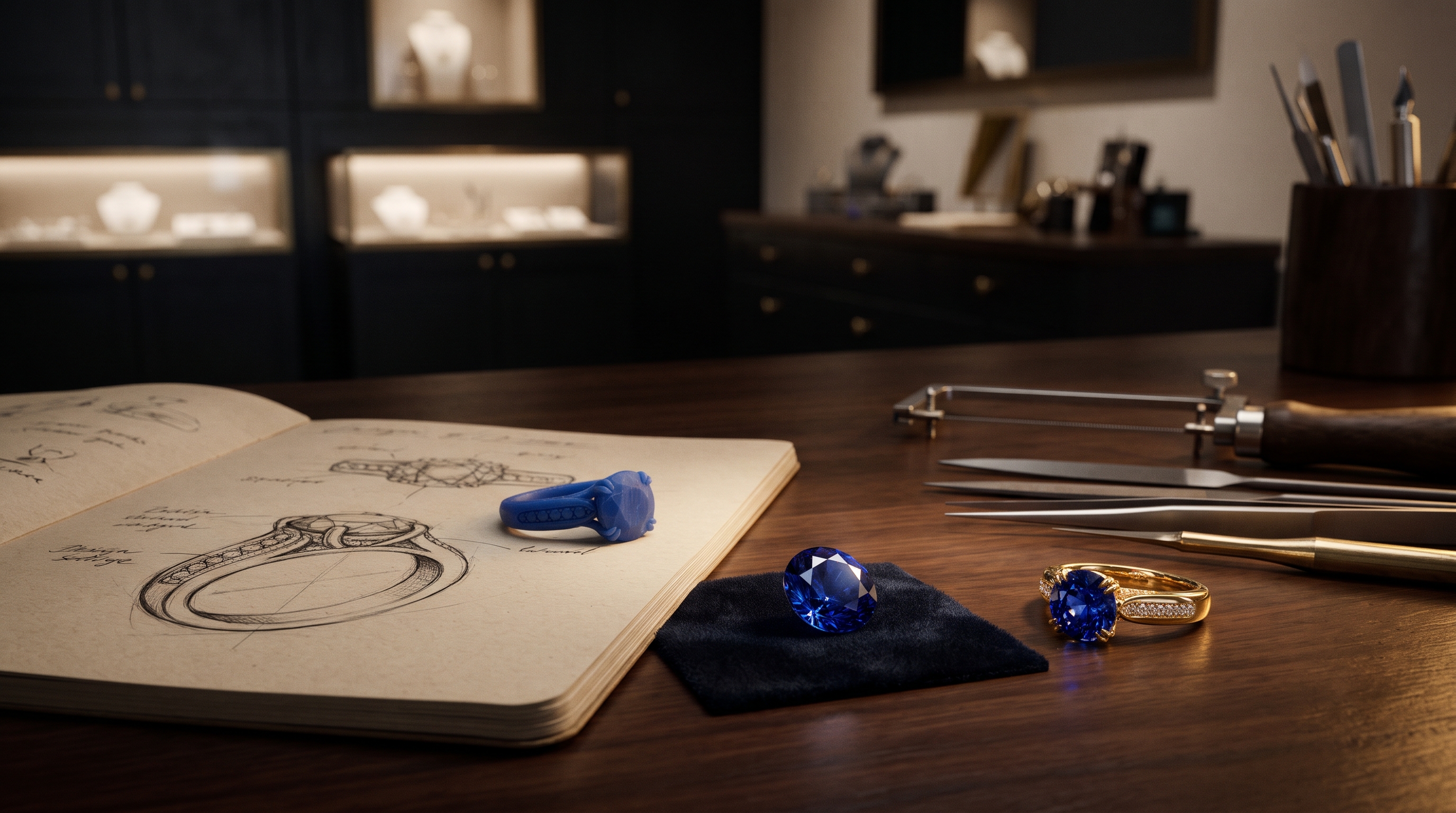
The most powerful marketing asset in custom jewelry is the process itself. Customers love seeing how an idea becomes an object, and the journey provides a natural storyline that few other categories can match.
A strong process story might include:
- The stone, introduced with its origin, characteristics, and what makes it special
- The inspiration, showing how the stone’s color, shape, and personality shaped the design direction
- The sketches and renderings, revealing the early creative thinking
- The wax or model stage, a visual milestone that many clients find fascinating
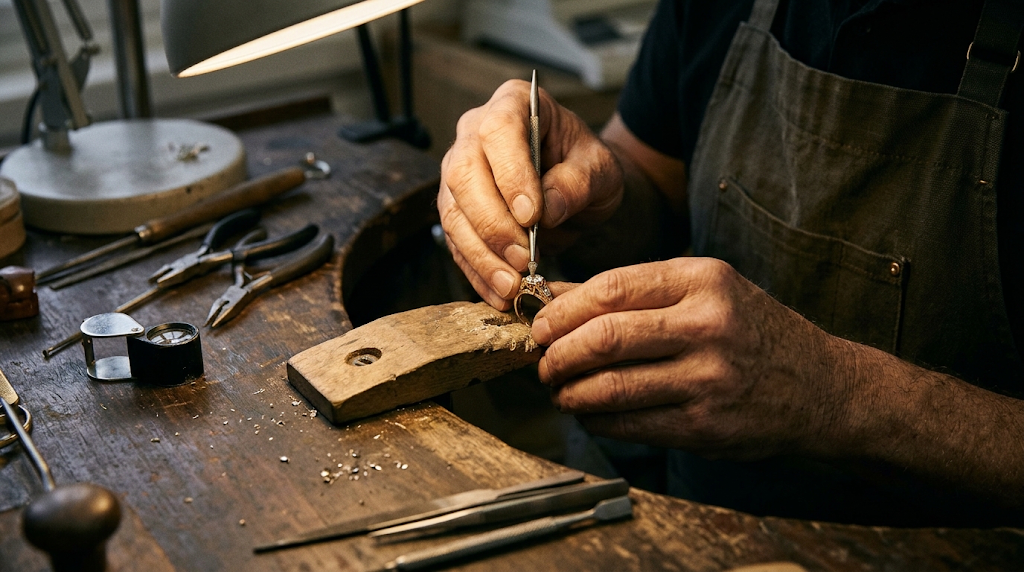
- The setting and crafting, with close-ups of the work and the artisan’s hands
- The finished piece, photographed beautifully and, ideally, worn
- The reveal, whether a private presentation or a moment shared with the client, with permission
Each stage can become content: a short video, a photo series, an email, a social post, or a blog feature. Together, they form a narrative that builds anticipation and demonstrates quality.
“We learned that people don’t just want to see the finished ring,” reflects Avi-Meir Zaslavsky. “They want to see the thinking behind it. The sketches, the choices, the small decisions. That’s where they feel the care that went into the piece.”
Content Formats That Bring Custom Work to Life
Different formats serve different stages of a buyer’s interest. A varied approach reaches more people and keeps the story fresh.
Effective formats include:
- Process documentaries, short films following one piece from stone to completion
- Before-and-after features, showing the loose stone beside the finished jewel
- Designer spotlights, introducing the maker, their philosophy, and their approach
- “Stone meets designer” stories, describing how a particular stone and a particular creative mind came together
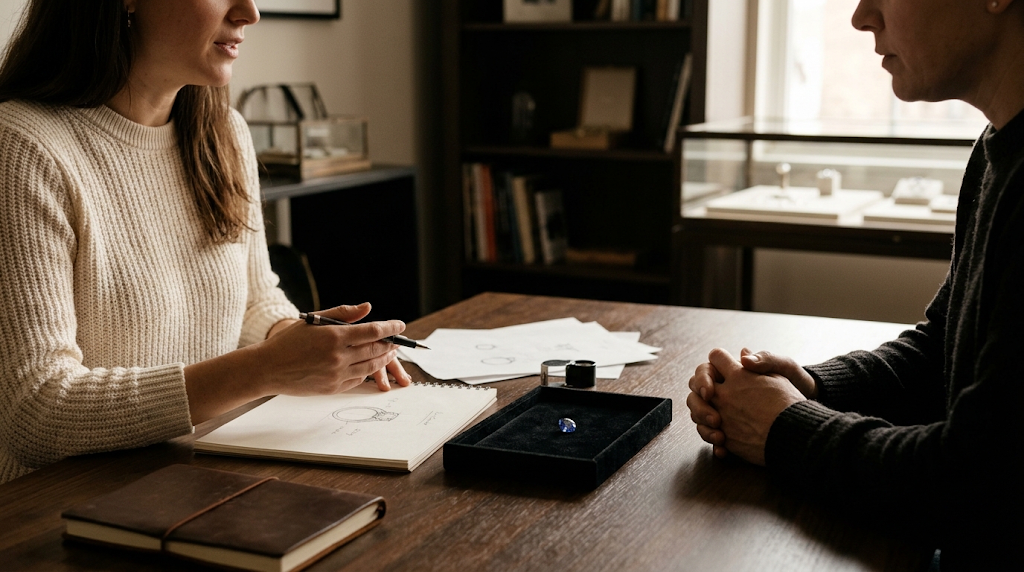
- Design consultation walkthroughs, showing prospective clients what the process of commissioning looks like
- Lookbooks and galleries, organized by stone type, style, or occasion
- Behind-the-scenes studio visits, offering an authentic view of craft and workspace
- Educational pieces on choosing settings, protecting stones, and designing for everyday wear
Authentic, slightly unpolished footage often resonates more than heavily produced material, because it communicates genuine craft rather than staged perfection.
Co-Marketing With Designers and Studios
Once a partnership is established, shared marketing multiplies the impact for both sides.
Opportunities include:
- Joint launches of limited collections built around a specific rare stone or parcel
- Cross-promotion through each partner’s email lists and social channels
- Guest content exchanges, such as a designer writing about working with a particular stone
- Co-hosted private viewings, where clients can meet the designer, see the stones, and begin a commission
- Shared presence at gem shows, design fairs, and local events
- Collaborative editorial features in design, luxury, and lifestyle publications
- Showcase pieces displayed in the designer’s studio and the dealer’s showroom
These efforts work best when they offer real value to the audience, such as insight into the creative process or access to exceptional stones, instead of reading as thinly disguised advertising.
Guiding the Customer Through a Custom Commission
Custom work can feel intimidating. Clients worry about cost, about communicating their wishes, and about whether the result will match their imagination. Marketing should address these anxieties directly.
Helpful practices include:
- Explaining the process clearly, with a simple outline of stages, timelines, and what to expect
- Offering a no-pressure first consultation, where clients can explore ideas without commitment
- Discussing budget openly, helping clients understand how stone, design, and craftsmanship each contribute to the total
- Providing visual references, such as sketches, renderings, or three-dimensional previews, before production begins
- Building in approval points, so the client feels in control of the direction
- Communicating regularly, with progress updates during fabrication
- Documenting the finished piece, including the stone’s reports, materials, and care instructions
“Custom work succeeds when the client feels guided and heard,” says Avi-Meir Zaslavsky. “Our role is to make the process feel clear and safe, so they can focus on the excitement of creating something personal.”
Protecting the Stone and the Client
Rare stones deserve careful handling at every step, and responsible practices strengthen both the product and the reputation of everyone involved.
- Matching the setting to the stone, with attention to hardness, cleavage, and everyday durability
- Honest advice on wearability, recommending protective designs for delicate stones and daily-wear pieces
- Maintaining documentation so a stone’s laboratory reports and provenance remain connected to the finished piece
- Insuring the stone and the work throughout the process, including transit between partners
- Verifying the stone before and after setting, with records that confirm it is the same stone
- Providing clear care and maintenance guidance, including periodic inspection recommendations
Reaching the Right Audiences
Custom pieces appeal to several distinct groups, and messaging should speak to each.
- Collectors who want to set an exceptional stone in a way that honors its rarity
- Engagement and anniversary buyers seeking something personal and meaningful
- Heirloom and legacy clients, often wanting to reset inherited stones or create pieces meant to be passed on
- Design-driven buyers who value originality and the creative process
- Gift buyers looking for an unforgettable, one-of-a-kind present
- Existing clients who already own a stone and want it reimagined
Tailoring the story, for example, rarity and craftsmanship for collectors or meaning and emotion for engagement buyers, makes the same process relevant to each.
Channels That Work Well for Custom Pieces
Custom work is visual, personal, and relationship-driven, which shapes the best channels.
- Instagram, Pinterest, and short-form video, where process and finished pieces perform well
- A dedicated custom design page on the website, explaining the process and showcasing past work
- Email storytelling, sharing the progress of a commission or a designer’s latest creation
- Private consultations and viewings, where clients experience stones and design ideas in person
- Referral relationships with jewelers, appraisers, wealth advisors, and estate professionals
- Search content answering questions such as how to design a custom ring around a particular stone
- Local and design-community events, where designers and collectors already gather
Measuring Success
Custom marketing should be evaluated by the quality of engagement and the strength of relationships, not only by volume.
- Custom consultation requests and the sources that generate them
- Conversion from consultation to commission, revealing how well the process builds confidence
- Average project value and the proportion of stone sales that become custom projects
- Engagement with process content, such as views, saves, and shares
- Partner-generated leads, indicating the value of each collaboration
- Repeat commissions and referrals, the clearest signs of client satisfaction
- Time from first inquiry to completed piece, helping refine the process
Bringing It Together
Marketing custom pieces with rare gemstones works best when the stone, the designer, and the client are treated as three parts of one story. That means choosing partners carefully, structuring collaborations clearly, showing the journey from stone to finished jewel, guiding clients through each step, and protecting the stone and the client at every stage. Done well, it transforms inventory into inspiration and a single sale into a lasting relationship.
“A great stone deserves a great setting, and a great setting deserves a story,” Avi-Meir Zaslavsky reflects. “When we show people the whole journey, the stone, the designer, the hands that made it, they don’t just buy a piece of jewelry. They become part of something they’ll always remember.”
For gemstone businesses ready to move beyond the loose stone, partnerships with designers and studios offer a path to deeper client relationships, richer storytelling, and the satisfaction of seeing a rare gem become exactly what it was always meant to be.