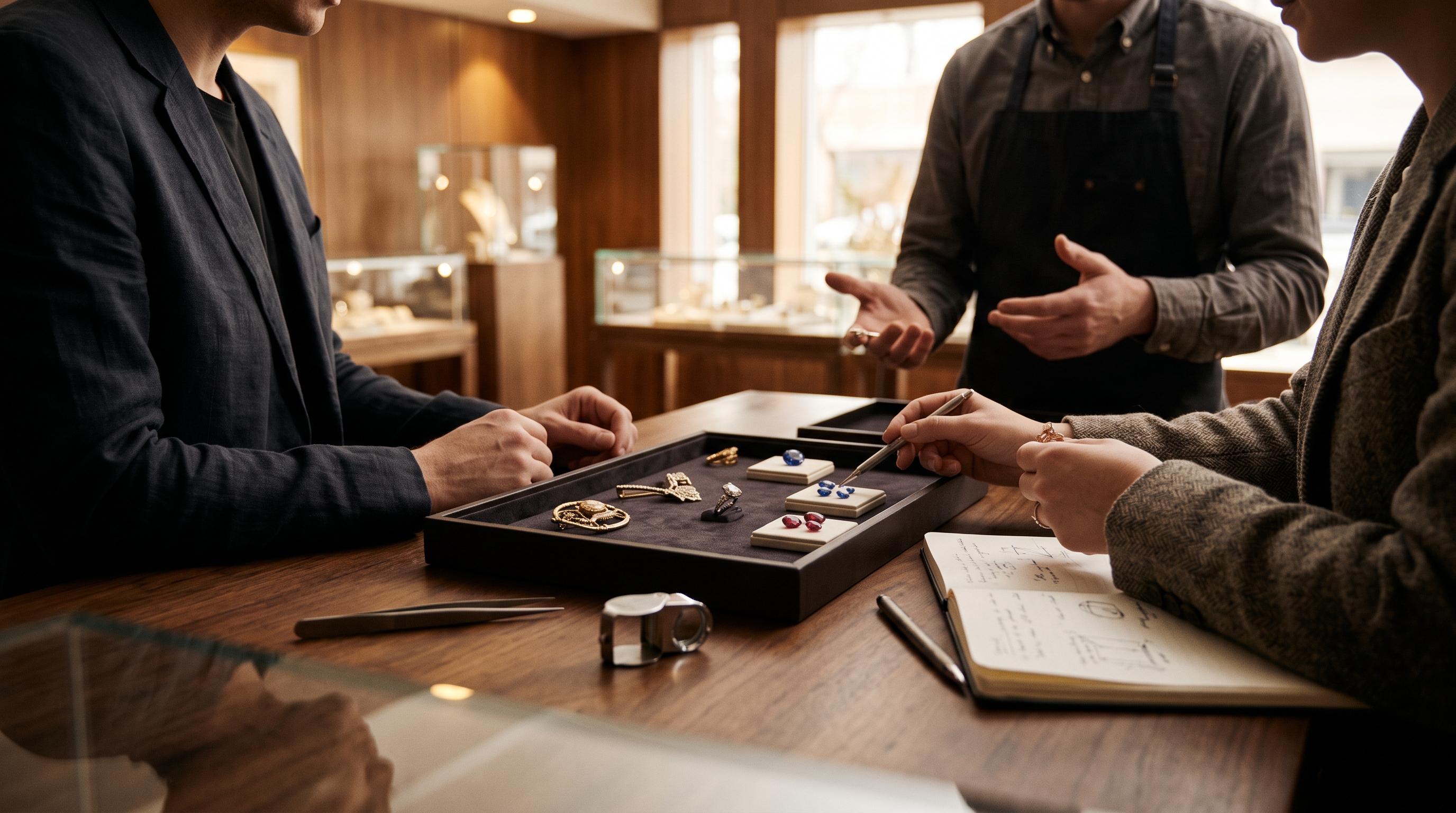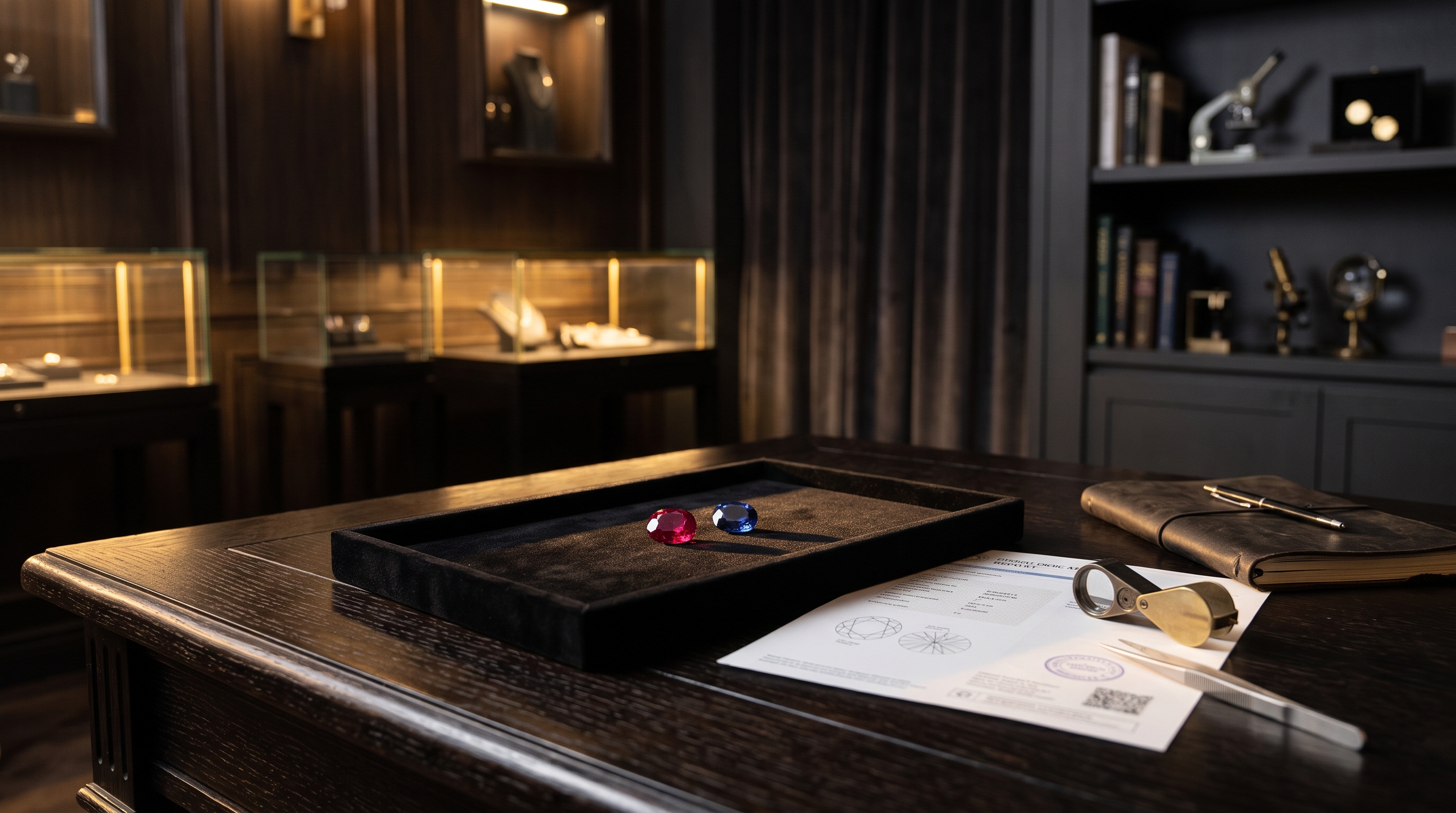
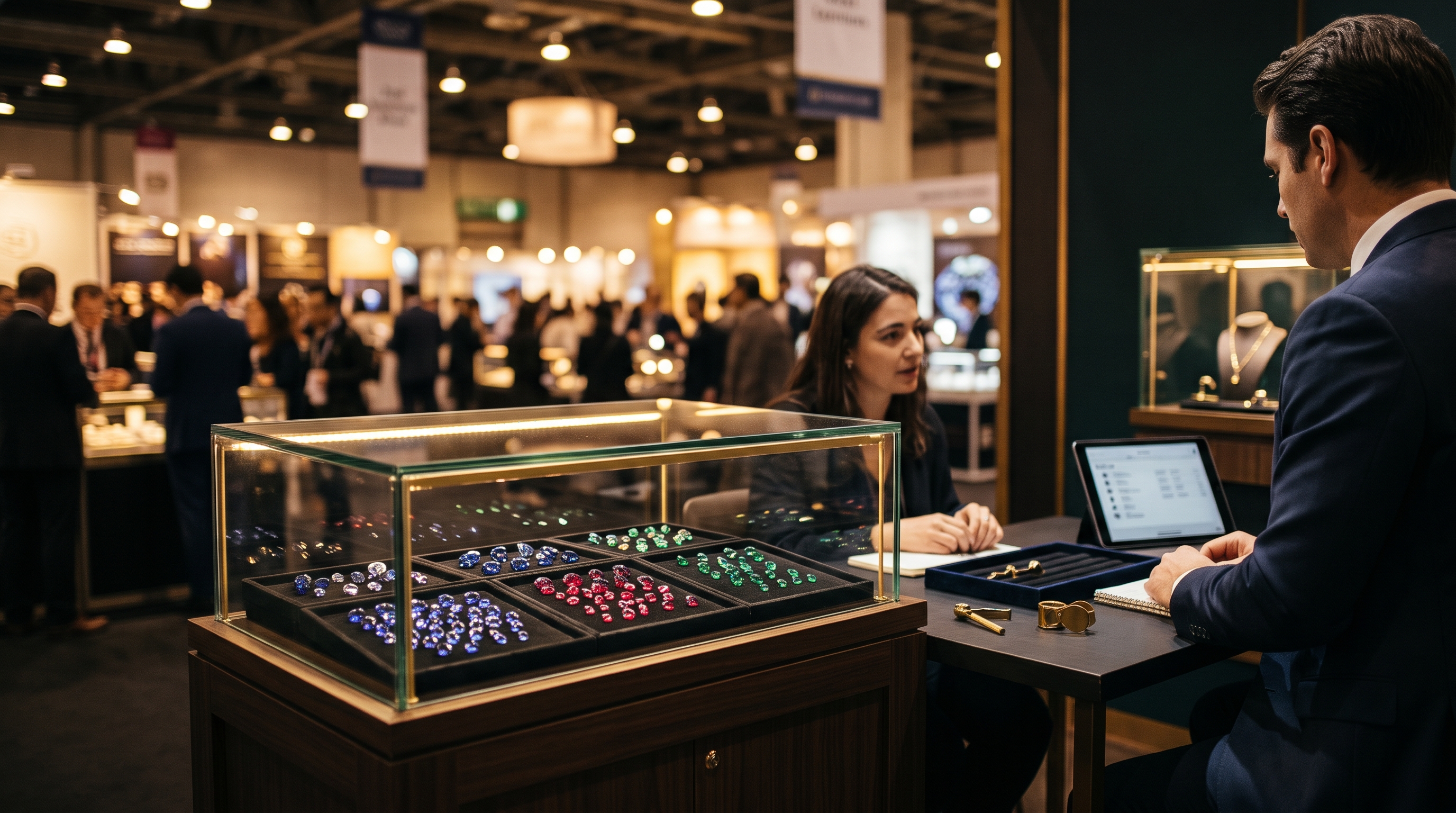
For many gemstone businesses, the gem show is the high point of the year. Booths are booked months in advance, the best stones are packed into carry cases, and for a few intense days the right people are all in one room: collectors, designers, dealers, and buyers from other countries. Then the show ends. The booth comes down, the business cards go into a bag, and the energy of those conversations slowly fades into a pile of unanswered contacts.
That pattern is the single biggest waste in event marketing. The cost of a major show is not just the booth fee. It includes travel, shipping, insurance, inventory, and days of staff time. A business that treats the show as the finish line recovers only a fraction of that investment. A business that treats it as the start of a relationship-building cycle can generate leads, sales, and referrals for the next twelve months.
Why Gem Shows Still Matter in a Digital World
It would be easy to assume that online marketing has made trade fairs less important. In practice, the opposite is true for fine gemstones. A high-value stone is a product people want to see, hold, and examine under their own light, with someone they can ask questions of face to face. Photographs and video can introduce a stone, but a physical encounter often completes the decision.
Shows also concentrate the trade’s attention. Serious collectors, designers searching for rare material, and professionals who influence buying decisions all gather in one place, which would take months to reach any other way.
Avi-Meir Zaslavsky, founder of 999Precious, sees events as a relationship accelerator rather than a sales counter. “At a gem show, you can build in three days a level of familiarity that might take a year online,” Avi-Meir Zaslavsky explains. “But only if you treat those conversations as the beginning of something. The real value of a show isn’t what sells at the booth. It’s who you meet and what you do with that connection afterward.”
Choosing the Right Events
Not every show deserves a booth. Attendance, audience, and cost vary enormously, and the right choice depends on what the business actually wants to achieve.
Questions worth asking before committing include:
- Who attends? Are they collectors, trade buyers, designers, or general visitors, and do they match your ideal customer?
- What is the event’s reputation? Established shows with a record of serious buyers usually outperform new or unproven ones
- What are the true costs? Booth fees, travel, shipping, insurance, accommodation, staffing, and display materials all add up
- What is the goal? Direct sales, new trade relationships, brand visibility, sourcing, or market research each point to different events
- What is the competitive landscape? A crowded hall can dilute attention, while a niche show may offer better access to specific buyers
- Does the event offer other opportunities? Seminars, networking events, and speaking slots can add significant value
Starting with attendance as a visitor, before exhibiting, is a smart way to evaluate a show’s quality and learn how successful exhibitors work.

Setting Clear Goals Before You Go
A show without goals tends to produce vague results. Defining what success looks like in advance shapes every decision that follows.
Useful goals might include:
- A target number of qualified contacts, focused on quality over volume
- A set number of scheduled follow-up meetings or consultations
- New trade relationships, such as designers, dealers, or advisors
- Specific sales or pre-sales, including custom commission inquiries
- Sourcing objectives, such as locating particular stones or suppliers
- Market intelligence, noting trends in demand, pricing, and buyer interest
“We decide what a good show looks like before we pack a single stone,” says Avi-Meir Zaslavsky. “If you don’t know what you want from the event, it’s very hard to recognize whether you got it.”
Pre-Show Marketing: Where Success Is Actually Won
The most effective exhibitors start promoting their presence weeks before the doors open. Pre-show marketing ensures that the right people arrive at the booth already interested.
Effective pre-show activities include:
- Announcing attendance through email, social media, and the website, with booth number and dates clearly stated
- Inviting existing clients and prospects personally, offering private viewing appointments at the show
- Previewing featured stones, with photographs, stories, and documentation, so collectors know what to look for
- Scheduling meetings in advance with key contacts, including designers, dealers, and long-term prospects
- Using the show’s own promotional channels, such as exhibitor directories, apps, and social tags
- Creating a dedicated event page on the website with details, a calendar for booking appointments, and highlights
- Coordinating with partners, such as designers or appraisers, who may be attending or can promote the business to their audiences
Personal invitations often outperform mass announcements. A short message to a collector saying that a stone matching their interests will be on display is far more compelling than a general notice.
Designing a Booth That Builds Trust
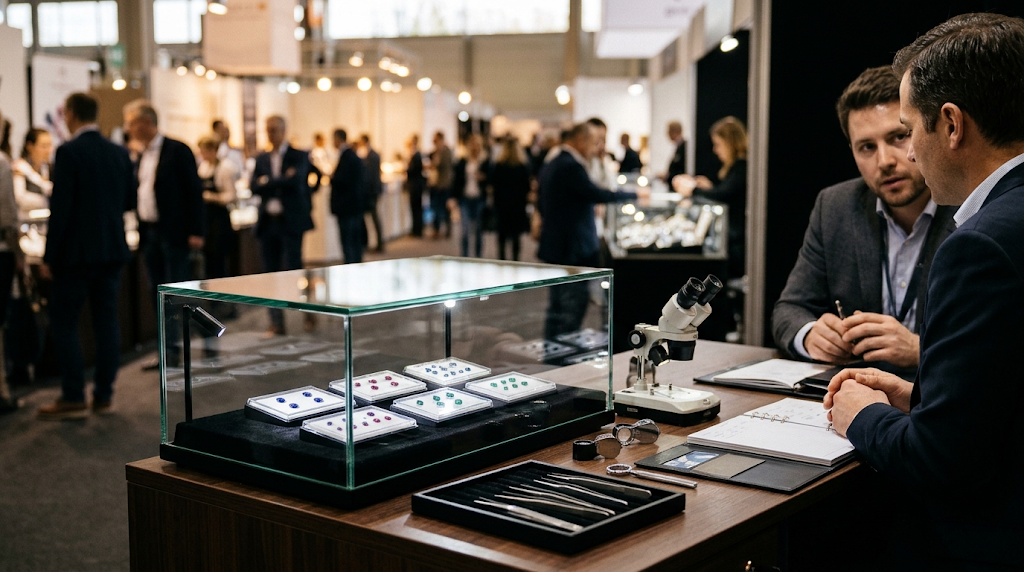
A booth is a temporary showroom, and it communicates credibility within seconds. In a trade where authenticity matters above all, presentation signals care and expertise.
Good booth practices include:
- Clean, uncluttered displays that let exceptional stones stand out
- Proper lighting, ideally consistent and color-accurate, so stones show their true character
- Visible documentation, with laboratory reports and provenance available for serious inquiries
- Magnification and viewing tools, such as loupes and microscopes, so visitors can examine stones themselves
- Clear branding, including a simple message about what the business specializes in
- A comfortable private area or table for serious conversations about high-value stones
- Knowledgeable, approachable staff who engage naturally without pressuring visitors
- Security and insurance measures, protecting both inventory and the people handling it
A small number of excellent stones, presented well, usually works better than a crowded display. Rarity and focus reinforce a premium impression.
Capturing Contacts Without Losing the Human Touch
The most common failure in event marketing is poor contact capture. A stack of business cards with no context is almost useless a week later. The goal is to record who each person is and what they care about while the conversation is fresh.
Effective approaches include:
- A simple digital capture system, such as a tablet form or a scanning app, that records details quickly
- Notes taken immediately, covering stone interests, budget range, timeline, and any promises made
- Contact tagging, labeling each person by type, such as collector, designer, trade buyer, or advisor
- A clear permission step, asking visitors whether they’d like to receive emails and following applicable privacy regulations
- Photographs of business cards with brief voice or text notes attached
- A daily review, with the team comparing notes each evening while memories are still sharp
- A reason to share details, such as offering a guide, a stone’s documentation, or a private viewing invitation
“The notes matter more than the card,” notes Avi-Meir Zaslavsky. “‘Interested in untreated Ceylon sapphire, around four carats, wants to decide by spring.’ That sentence is worth more than a hundred names with no context.”
Engaging Visitors Meaningfully at the Booth
Strong conversations convert better than strong displays. Staff should be trained to start with curiosity, not a sales pitch.
- Open with questions, such as what brings the visitor to the show or what they usually collect
- Listen for specific interests, and show relevant stones rather than everything available
- Share stories, including origin, characteristics, and what makes a stone notable
- Invite hands-on examination, letting visitors view stones through a loupe or under proper light
- Offer educational moments, such as explaining how to read a laboratory report
- Be honest about what you don’t have, and note requests for future sourcing
- Suggest a clear next step, such as a private viewing, a follow-up call, or a custom design consultation

Extending Your Reach Beyond the Booth
A show offers more than the exhibition floor. Seminars, receptions, and informal meetings often produce the best relationships.
- Speaking or panel opportunities, which position the business as an authority
- Hosting small private events, such as an invitation-only viewing or dinner for key clients and partners
- Attending networking sessions, where designers, dealers, and advisors meet
- Visiting other exhibitors, building relationships and discovering sourcing opportunities
- Creating content on-site, such as short videos, photographs, and stories shared live on social media
- Meeting partners in person, strengthening referral and collaboration relationships
Live content helps people who couldn’t attend feel included and gives attendees a reason to remember the business.
Post-Show Follow-Up: Where the Value Is Realized
Follow-up is where event marketing pays for itself. Speed matters, since interest fades quickly after the show, but so does personalization.
A practical follow-up structure might look like this:
- Within 48 hours: send a personal thank-you to every meaningful contact, referencing something specific from the conversation
- Within one week: provide promised information, such as stone details, laboratory reports, photographs, and video
- Within two to three weeks: invite engaged prospects to consultations, video calls, or private viewings
- Within one month: add contacts to the appropriate email segments, whether educational series, new-arrival announcements, or collector updates
- Over the following months: stay in touch with relevant content, new acquisitions, and invitations to upcoming events
Highly personal messages work best for high-value prospects. A short note recalling a specific stone or question shows attention and respect.
“The show gives you the introduction,” reflects Avi-Meir Zaslavsky. “The follow-up is where you earn the relationship. The businesses that reply quickly, specifically, and genuinely are the ones that turn a three-day event into a year of business.”
Turning Contacts Into a Nurtured Pipeline
Not every contact is ready to buy, and most will take months to decide. Segmentation and nurturing keep each relationship moving at the right pace.
- Hot prospects, who expressed clear interest and timelines, deserve prompt personal outreach
- Warm prospects, still researching, benefit from educational content and periodic updates
- Trade contacts, such as designers and dealers, may be best served through partnership conversations and sourcing communication
- Long-term contacts, who may not buy for a year or more, can stay engaged through newsletters and event invitations
Recording each contact’s status in a simple customer relationship system prevents leads from disappearing and lets the team review progress regularly.

Repurposing Event Content
A show produces a wealth of material that can fuel marketing for months.
- Photographs and video of the booth, notable stones, and conversations
- Interviews and insights gathered from experts and fellow exhibitors
- Trend reports, summarizing what was seen and discussed at the show
- Stories about featured stones, extending the life of the display
- Educational content inspired by questions asked at the booth
- Partner features, highlighting collaborations or introductions made at the event
This content keeps the business visible long after the show floor is empty and gives follow-up emails something valuable to share.
Managing Logistics and Risk
High-value stones require careful handling, and mistakes can be costly. Preparation protects both inventory and reputation.
- Insurance coverage that explicitly covers stones in transit, on display, and at the venue
- Secure transport and storage, including careful handling at hotels and venues
- Accurate inventory records, with each stone documented before, during, and after the show
- Compliance with customs and import-export rules when attending international events
- Clear payment and invoicing procedures, including secure methods for large transactions
- Staffing plans, ensuring enough team members for security, conversations, and rest
Customs, insurance, and regulatory requirements vary by country and event, and businesses should verify the current rules with qualified professionals before traveling with valuable stones.
Measuring the Return on Event Investment
Because shows are expensive, results should be measured carefully and over a realistic timeframe.
- Qualified contacts collected, compared with the initial goal
- Follow-up conversion rate, tracking how many contacts become consultations, inquiries, or sales
- Direct sales at the show and pre-sales or commissions generated afterward
- Revenue attributed to the event over the following 6 to 12 months
- New partnerships and referral relationships created
- Cost per qualified lead, comparing the event with other marketing channels
- Content engagement from event-related material
- Lessons learned, recorded in a short post-show review for future planning
Reviewing results soon after the event, while details are fresh, makes the next show stronger.
Bringing It Together
A gem show can be one of the most powerful marketing opportunities a gemstone business will have all year, but only when it is treated as the middle of a process instead of the whole story. Careful event selection, clear goals, strong pre-show promotion, a trustworthy booth, thoughtful contact capture, meaningful conversations, and fast, personal follow-up transform a few days on the floor into a year-round pipeline of relationships.
“A show is a handshake, not a transaction,” Avi-Meir Zaslavsky reflects. “The handshake opens the door. What you do in the weeks and months afterward decides whether anyone walks through it. That’s where most of the real business is built.”
For gemstone businesses willing to plan before the show and follow through after it, every event becomes more than a booth in a crowded hall. It becomes the starting point of relationships that continue long after the lights go out.
Note: Insurance, customs, and event-specific regulations differ by country and venue; consult qualified professionals before transporting or exhibiting high-value stones.