
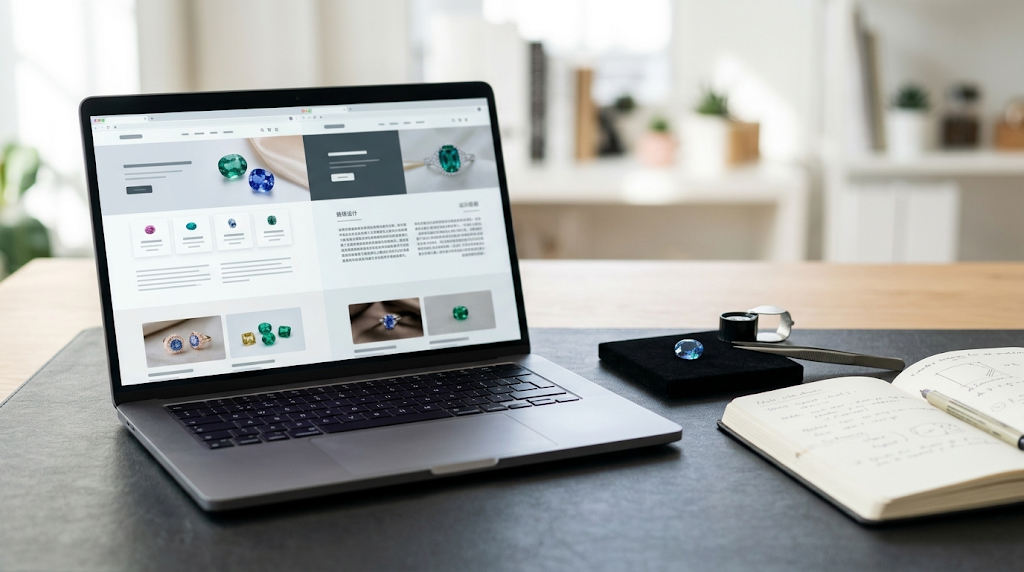
A fine gemstone has always been a global product. A sapphire may be mined in one country, cut in another, traded through a third, and finally worn by someone on a different continent. The trade itself has never respected borders. Yet many gemstone businesses still market as though their customers all live within a short drive of the showroom, and in doing so they leave some of the most valuable buyers in the world unreached.
The internet has made international selling possible for even small dealers. A collector in Singapore can find a specialist in New York in seconds, and a buyer in London can watch a stone rotate on video at midnight. But access alone does not create sales. Selling across borders introduces questions of trust, language, logistics, insurance, and regulation that a domestic sale never raises. Businesses that answer those questions clearly and early turn geography from an obstacle into an advantage.
Why International Buyers Are Worth the Effort
For fine gemstones, the local market is often too small to support a specialist business. The finest stones appeal to a narrow group of collectors, designers, and investors, and that group is spread across many countries. Expanding internationally increases the number of people who might genuinely want a particular stone, which can improve both sales speed and pricing.
International buyers also tend to be experienced. Many are collectors or trade professionals who already buy across borders and understand the process. They are less impressed by marketing slogans and more responsive to documentation, clarity, and professionalism.
Avi-Meir Zaslavsky, founder of 999Precious, sees the opportunity clearly. “A rare stone doesn’t have a local market,” Avi-Meir Zaslavsky explains. “The person who wants it most might live four thousand miles away. If your business is only visible to people nearby, you’re hiding your inventory from the buyers who would value it most.”
That perspective changes how a business thinks about its audience: not as a neighborhood, but as a worldwide community of people who share a specific interest.

The Central Challenge: Trust at a Distance
Buying a valuable gemstone from a stranger in another country requires a leap of faith, and the further away the seller, the larger the leap. The buyer cannot visit the shop, hold the stone, or meet the gemologist. Every element of trust must be built through the screen.
Trust-building priorities include:
- Complete, verifiable documentation, including independent laboratory reports that buyers can check directly with the issuing lab
- Exceptional photography and video, with accurate color and multiple lighting conditions, since the buyer relies entirely on what they see
- Transparent business information, including a physical address, registration details, professional memberships, and named team members
- Clear policies, covering viewing periods, returns, and what happens if a stone does not match its description
- Responsive, personal communication, ideally with video calls where buyers can see the stone and speak to a specialist
- Secure, recognized payment methods that give buyers reasonable protection
- Independent verification options, such as allowing the buyer to send the stone to a laboratory of their choice during an inspection period
“Distance magnifies doubt,” notes Avi-Meir Zaslavsky. “So you have to over-communicate. Show more, explain more, document more than you would for a local client. Every question you answer before it’s asked is a reason for them to say yes.”
Localizing Content Without Losing Credibility
Reaching international buyers is not just a matter of translating a website. Localization means adapting language, examples, and presentation so that content feels natural and trustworthy to readers in different markets.
Effective localization includes:
- Professional translation of key pages, using human translators familiar with gemological terminology, since poor translation signals carelessness and undermines trust
- Prioritizing markets strategically, starting with the regions where demand and existing inquiries are strongest rather than translating everything for everyone
- Adapting currency, units, and formats, such as displaying prices in local currencies and using familiar date and measurement conventions
- Using local search behavior, researching how buyers in each market actually search, since terms and preferences vary
- Respecting cultural preferences, as favored stones, colors, and occasions differ widely between regions
- Offering support in convenient time zones and languages, or at least being transparent about response times
- Maintaining consistent quality, since a half-translated site feels less reliable than a well-executed one in a single language
Cultural preferences deserve particular attention. Certain gemstones carry special significance in particular traditions, and some colors are associated with different meanings in different places. Research and respect go a long way, and a business that shows genuine understanding of a market’s tastes earns credibility quickly.
Technical Foundations for International Visibility
Search engines need clear signals to show the right page to the right audience, and a few technical practices help international content perform.
- Using proper language and regional tagging so search engines serve the correct version to each audience
- Choosing a sensible site structure, such as language folders or separate regional sections, applied consistently
- Avoiding duplicate content problems when pages are similar across regions
- Ensuring fast loading speeds worldwide, since image-heavy gemstone pages can be slow for distant visitors without a content delivery network
- Optimizing for the search engines and platforms popular in each target market, which are not always the same as those in the home market
- Making contact options accessible internationally, including messaging apps widely used in specific regions, in addition to email and phone
“Many buyers abroad will never find you if the technical foundation isn’t there,” says Avi-Meir Zaslavsky. “You can have the best stone in the world, but if your page loads slowly or appears in the wrong language, they’ll move on without ever knowing.”
Content That Resonates Across Borders
Educational content is especially effective internationally, because it builds trust before any direct contact and works around the barrier of distance.
Strong content ideas include:
- Buyer’s guides to purchasing gemstones from abroad, explaining the process step by step and reassuring first-time international buyers
- Documentation explainers, showing how to read laboratory reports and verify them independently
- Origin and variety guides, which attract collectors researching specific stones worldwide
- Videos showing the stones and the specialists, helping bridge the gap of physical absence
- Shipping and insurance explainers, openly describing how valuable stones travel safely
- Frequently asked questions about customs, duties, and taxes, which address a major source of buyer anxiety
- Market and trade-show updates, positioning the business as part of the global gem community
Shipping, Insurance, and Security
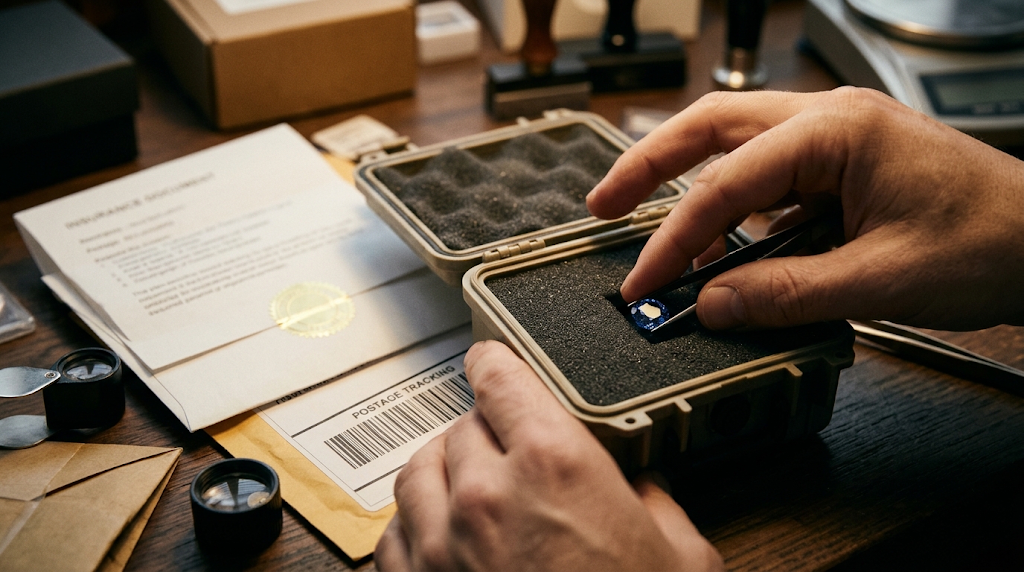
Logistics is often the point at which an international sale is won or lost. Buyers worry about whether a valuable stone will arrive safely, and the answer must be clear before they commit.
Practical considerations include:
- Using reputable, insured carriers with tracking and signature requirements, and specialist couriers for high-value shipments where appropriate
- Insuring every shipment for its full value, and explaining clearly who bears risk at each stage
- Packing securely and discreetly, with packaging that does not advertise valuable contents
- Providing tracking information and proactive updates throughout transit
- Documenting the stone before shipping, with photographs and records that protect both parties in case of a dispute
- Clarifying timelines, including realistic delivery estimates and the effect of customs processing
- Offering secure alternatives, such as insured hand delivery, viewing at trade shows, or a trusted local intermediary, for especially valuable purchases
Carrier rules, insurance coverage limits, and restrictions on shipping high-value items vary by company and country, so businesses should confirm current requirements directly with their carriers and insurers.
“The shipping process is part of the product,” reflects Avi-Meir Zaslavsky. “A buyer who watches their stone travel with full insurance, tracking, and clear communication feels looked after. One who is left guessing starts to worry, even if nothing goes wrong.”
Customs, Duties, and Regulatory Awareness
Cross-border trade in gemstones involves rules that differ significantly between countries, and mistakes can cause delays, unexpected costs, or seizures. Awareness and preparation are essential.
Areas to understand include:
- Import and export requirements, including declarations, licensing, and permits that may apply in either country
- Duties, taxes, and fees, which vary widely and can significantly affect the buyer’s total cost
- Who pays and when, and whether prices are quoted on a delivered-duty-paid basis or leave duties to the buyer
- Accurate customs documentation, including truthful descriptions and declared values, since errors can lead to penalties and delays
- Anti-money-laundering and know-your-customer requirements, which commonly apply to high-value transactions and may require identity verification
- Sanctions and trade restrictions, which can prohibit dealing with certain countries or parties
- Responsible-sourcing and trade regulations that may apply to particular materials or origins
- Restrictions on certain materials, including some organic gem materials that may be subject to wildlife trade rules
Because these rules are complex and change over time, any business selling internationally should work with qualified customs brokers, legal advisors, and tax professionals, and should verify current requirements for each destination country. Marketing materials should describe policies accurately and avoid promising outcomes that depend on rules outside the seller’s control.
“Transparency about duties and paperwork prevents unpleasant surprises,” says Avi-Meir Zaslavsky. “A buyer who knows what to expect from the start is a buyer who stays confident. A buyer who gets an unexpected bill at the door rarely comes back.”
Payments, Pricing, and Currency
Money moves differently across borders, and payment choices influence both trust and conversion.
- Offering secure, recognized payment methods, such as bank transfers and established payment services, with clear instructions
- Displaying prices in familiar currencies, with transparency about exchange rates and any conversion fees
- Being clear about total cost, including shipping, insurance, and any applicable duties
- Understanding fraud risks, and verifying large or unusual payments carefully
- Considering escrow services for high-value transactions, where both parties want added protection
- Documenting every transaction with clear invoices and records suitable for customs and tax purposes
Communication and Relationship Building Across Time Zones
International clients value responsiveness and clarity, and the relationship often develops over a longer timeline than a local one.
- Setting clear expectations about response times and availability
- Offering scheduled video consultations at times convenient for the buyer’s location
- Using concise, precise written communication, avoiding idioms that may confuse non-native speakers
- Following up after delivery, confirming that the stone arrived safely and answering any questions
- Maintaining contact over time through newsletters and personal updates, since many international collectors buy repeatedly once trust is established
Building International Visibility Through Partnerships and Events
Digital marketing works best when combined with a real presence in the global trade community.
- Attending international gem shows and trade fairs, where relationships with buyers and dealers begin in person
- Partnering with overseas dealers, designers, and appraisers who can introduce the business to their own networks
- Joining recognized trade associations, which provide credibility across borders
- Contributing expertise to international publications and communities, building authority beyond the home market
- Using online marketplaces and specialist platforms thoughtfully, with attention to their rules and fees

Measuring International Performance
Expanding abroad is a long-term investment, and results should be evaluated by market rather than as a single total.
- Website traffic and inquiries by country, revealing where genuine interest exists
- Conversion rates by market, indicating where trust and logistics are working
- Average order value and time-to-sale across regions
- Shipping incidents and customs delays, which highlight operational problems
- Repeat purchase rates from international clients
- Return on investment for translation, advertising, and event spending in each market
Bringing It Together
Selling gemstones internationally rewards businesses that treat distance as a problem to be solved with transparency. That means building trust through documentation, imagery, and responsive communication; localizing content with care; preparing the technical foundation for global search; handling shipping, insurance, customs, and payments with professionalism; and expanding market by market instead of all at once. The investment is larger than for a local sale, but so is the reward: access to the worldwide community of buyers who value rare stones most.
“Every border is just another question the buyer needs answered,” Avi-Meir Zaslavsky reflects. “If you answer those questions before they’re asked, distance stops being a barrier. It simply becomes part of how the world does business in this trade.”
For gemstone businesses ready to look beyond their own city, international marketing becomes less about reaching strangers and more about welcoming a global community of collectors who were always looking for exactly what you have.
Note: This article is for general informational purposes. Customs, tax, import-export, and regulatory requirements vary by country and change over time; consult qualified professionals before shipping internationally.